




























Are flavor notes in cigars even real? How do people come up with descriptions like cocoa, leather, or toasted nuts when talking about tobacco? Isn't it just tobacco, or is that really how cigars taste? All fair questions, and especially common ones for newer cigar smokers.
Before we go any further, it's important to clarify what we're talking about. There are flavored cigars, where flavors are added intentionally. That's not what this article is about - those cigars clearly have flavors. Cigar flavor profiles refer to the natural flavors that come from the tobacco itself and how it's grown, processed, and blended.
Understanding flavor profiles isn't about showing off your super-taster palate or sounding sophisticated. It's about becoming more aware of what you're tasting and getting more enjoyment out of each cigar.
What are cigar flavor profiles?
Cigar flavor profiles are the collection of flavors and sensations you experience while you smoke a cigar. The taste can be immediate and bold, or subtle and evolving. Flavors and smells often change as you move through the cigar, revealing different characteristics from start to finish.
The cigars flavors don't all become apparent at the same time. Some flavors appear on the first puff, others linger on the finish, and some show up only after the cigar has warmed up. Two people smoking the same cigar might notice different things about how their cigars taste, and that's normal.
Flavor profiles are about good awareness, not right or wrong answers.
Where do the flavors in cigars come from?
Cigar flavors are influenced by a variety of factors, starting well before the cigar is ever rolled.
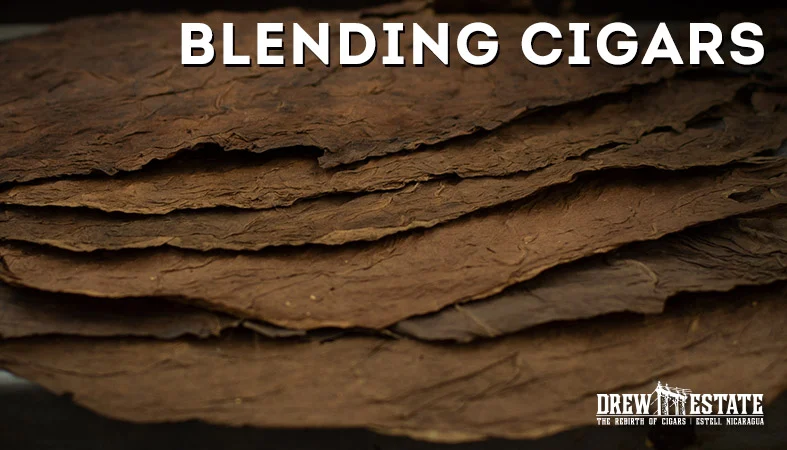
- The type of tobacco. All varieties of tobacco have unique flavor profiles. For example, a Connecticut shade wrapper may smoke much milder and creamier than a dark broadleaf wrapper, which may taste more earthy, rich, and sweet. The type of tobacco used in a cigar plays a huge part in the flavor composition.
- Where the tobacco is grown. Climate, soil composition, and altitude all affect how tobacco develops flavor and how cigars taste. The same tobacco plant grown in two separate places will give you differences in flavor.
- Soil nutrients and sunlight. The minerals in the soil and how much sun the plant receives play a role in strength and flavor intensity. More sunlight leads to a stronger, bolder, richer flavor. More shade leads to a milder, creamier flavor.
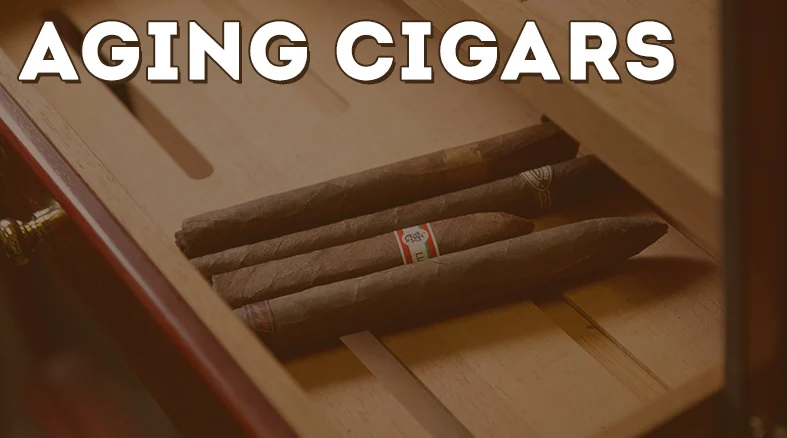
- Fermentation and aging. All tobacco leaves in a handmade cigar are fermented, which reduces harshness and develops deeper flavors. Time and temperature of fermentation also change how it tastes when it burns. Aging allows flavors to mellow and integrate over time. An aged leaf will typically be less bold, though it can yield more complex tasting profiles.
Each of these factors has so much nuance and so many options that you can see how there are so many different types of cigars and so many different flavors you can get from them.
Common Cigar Flavor Profiles
While no two cigars are exactly the same, many fall into familiar flavor families.
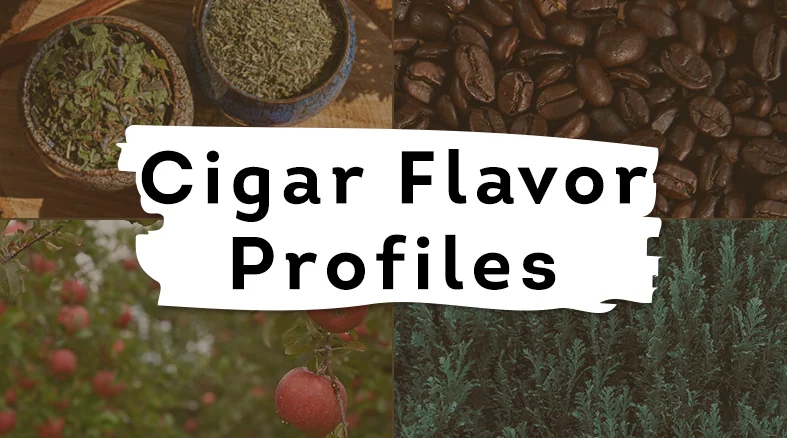
- Earthy and woody: These flavors are often described as earth, leather, cedar, or oak. You can find some amount of earth or wood in many, many cigars.
- Spicy and peppery: Pepper can show up on the tongue, lips, or through the nose. These flavors often add intensity and are especially noticeable early in a cigar. If you've ever lit up a cigar and had a blast of spice off the bat, you know what we're describing.
- Natural sweetness: These flavors can come across as cream, caramel, or vanilla.These flavors tend to soften stronger notes and add smooth balance.
- Nutty and toasty: Almond, peanut, or toasted bread notes often appear in mild or medium cigars. They can give a warm, comforting quality to the smoke.
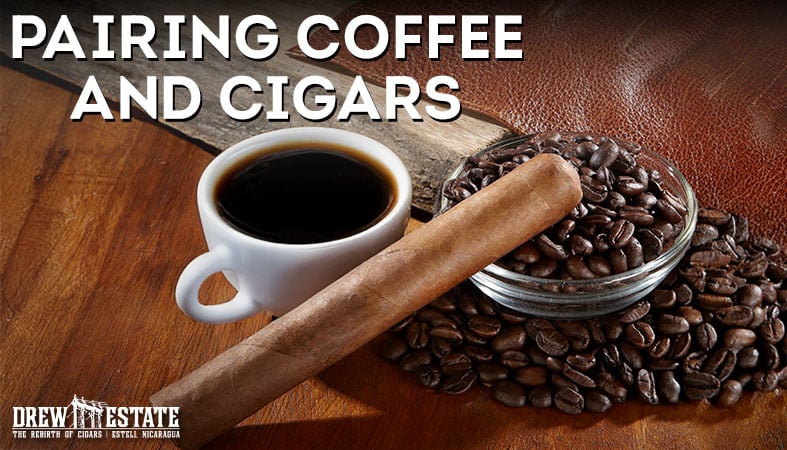
- Coffee, cocoa, and chocolate notes: These richer flavors are common in darker cigars. They're often described as espresso, cocoa powder, or dark chocolate.
- Herbal, floral, and mineral: These are usually more subtle. You might notice tea-like, grassy, floral, or mineral qualities that add complfexity rather than dominance. When these notes are dominant, you'll really notice them.
Primary vs. Secondary Flavor Notes
Not all flavors carry the same weight. Primary flavors are the dominant flavors that define the cigar. They're usually noticeable throughout most of the smoking experience. Secondary flavors are background or supporting notes. They may come and go, or appear only during certain portions.
Flavors often change throughout the cigar. A cigar might start spicy, become creamy in the middle, and finish with deeper, earthy notes. Cigar reviewers often split a cigar into 'thirds', with each third of the cigar broken down by its flavor profile. You don't have to think about a cigar in thirds - some change more like 'halves' than 'thirds'. But paying attention to these transitions helps you better understand what cigars you prefer to smoke.
How to identify and taste cigar flavors
Developing your palate takes time and focus, but a few habits can help.
- Smoke slowly. Smoking too fast will mute flavors or add harshness. Many flavor notes will be overpowered, which means you won't notice them.
- Focus on the flavor notes. Take your time to sit with the flavors and pinpoint what you taste and smell. If you're mowing the lawn, it's hard to pick out subtleties in your cigars. For a while, you might just think "this tastes like burning tobacco". Over time, you'll start to pick up at least a few of the major notes. Chocolate, coffee, and cream are notes that people often notice first.
- Try retrohaling. Gently pushing some smoke through your nose can reveal additional flavors, especially spice and sweetness. Some people will tell you that if you're not retrohaling, you're not enjoying most of the flavors of your cigar. Give it a try as part of your tasting experience.
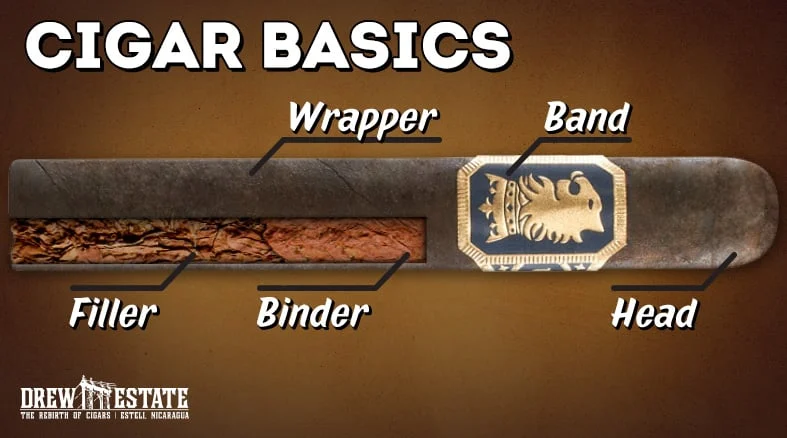
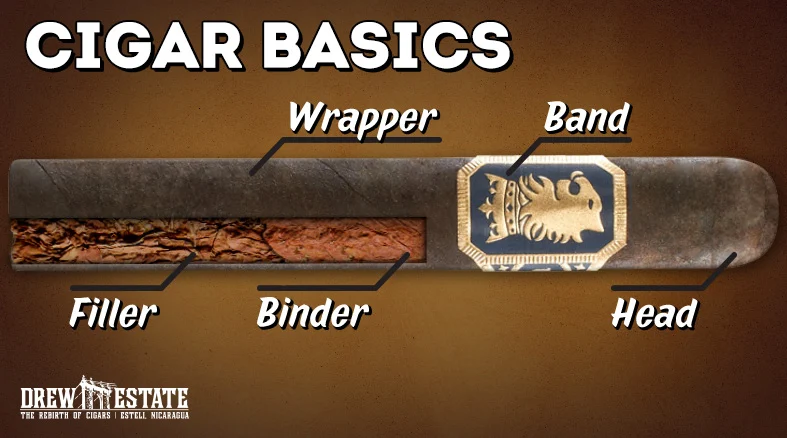
- Keep a flavor journal. Writing down what you notice along with a cigar's wrapper/binder/filler composition can help you recognize preferences and track how your palate develops. You'll learn what you like and what you don't like faster, and you'll be able to try more cigars that are similar to what you already enjoy - though with some variation to keep it interesting.
Final Thoughts
Exploring cigar flavor profiles is about curiosity, not expertise. There's no pressure to identify every note or use specific terms. The goal of this guide is to help you become more aware of what you enjoy.
Try different cigars, pay attention to how flavors evolve, and don't be afraid to experiment. Over time, you'll discover the flavor profiles that suit your personal taste. That awareness can make your smoking experience more interesting and rewarding.