


















CI Ships FREE EVERY DAY! No Minimums!
EXTRA $31 OFF Every $125 You spend Use Promo Code SPOOKY31 Treat Yourself to Savings of up toi $124! At Checkout | *Exclusions apply. Not valid in sotres or with other offers. Ends 10/25/26 @ 11:59 PM ET.

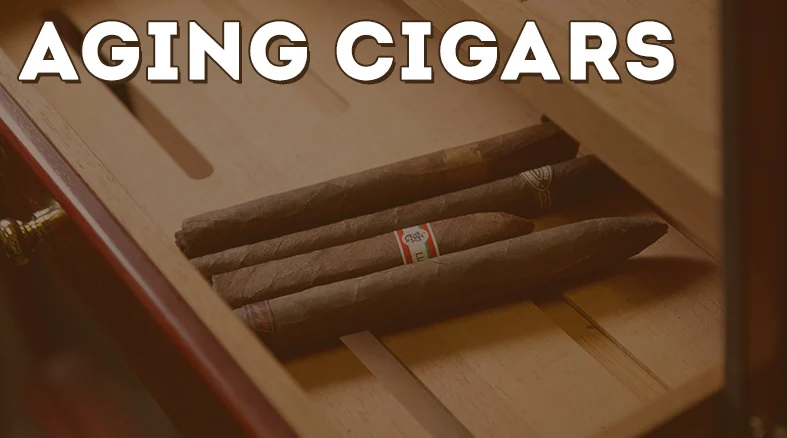
The idea sounds fantastic: you store your premium handmades in a cigar humidor for a few years, then when you come back to it you have an even better cigar. But does aging always improve a cigar? How do you know which cigars will improve with age? Can you take a cigar you don't love, store it in a box with a humidifier, and turn it into something you can't get enough of by setting it aside for a length of time?

In this article, we dive into aging cigars in your humidor at home. Understanding how aging works and how to best maintain aging conditions will help you avoid costly and preventable mistakes in your cigar aging journey.

What Does Aging a Cigar Mean?

To age a cigar means to store it under stable, controlled conditions in a humidor for an extended period of time to allow chemical and physical changes in the tobacco to occur naturally. Aging a cigar brings changes to the flavor, aroma, and balance.

People often talk about letting a cigar "rest" when they store it in a humidor for a few weeks or months after they buy it so it recovers from shipping, evens out the humidity, and is completely ready to enjoy. That's not "aging" a cigar, though - aging talks in years rather than weeks or months.

Before cigars leave the factory and arrive at the store, they can be aged for a time as well. You might hear that your cigar has tobaccos that were years old at the time the cigar was rolled. And then all premium cigars are at least rested in the factory for a while before consumers enjoy them. But none of this is what we're talking about here, either. Those are important aspects to making a cigar, but not our focus today. We're talking about consumer aging, where you let a cigar sit in controlled conditions in a humidor after you buy it.

How Aging Affects Cigars

Just to be clear: you don't need to store cigars for many months to enjoy them. When a cigar is available for sale, it should be ready to smoke at any time. You may need to let it rest to acclimate to the right humidity again, but you don't need to age your cigars at all if you don't want to.

If you want to experiment with aging cigars and seeing how they change, these are the changes you're likely to see in your smokes:

  • If it wasn't good before, it probably won't be good now. You can't age quality into your cigars. You'll see these other changes mentioned below, but you won't magically turn low-quality cigars into perfect, high-quality luxury items by giving them time in a humidor.
  • Flavor mellowing and integration. Sharp or aggressive notes often soften. Flavors blend together more smoothly. You get something that tastes more elegant than it did before.
  • Reduction of harshness. Harsh notes will tend to drop off, so you'll have a smooth smoke.

Well-aged cigars often develop richer aromas and more consistent combustion. You may experience flavor notes that weren't present in the cigar when it was rolled. In short, it will taste different. In some cigars, they'll taste better. In some cigars, they'll just have less flavor.

Which Cigars Benefit Most From Aging

Not every cigar improves with time. And it's not an exact science, either - some cigars age quite well, and others might make you wish you had smoked them earlier.

Full-bodied cigars age better than mild cigars. Those stronger, bolder flavors mellow out and combine in interesting ways. If a milder cigar mellows out, it will be even more mild and start to not taste like very much at all.

Dense, oily tobaccos tend to age better. Typically a darker, oilier cigar will gain character as it ages and become even more interesting to smoke.

Long-filler premium cigars are the ones to age. There's nothing wrong with a short-filler cigar or cigarillo, but they don't really benefit from aging the same way long-filler cigars do.

Ideal Conditions for Aging Cigars

While precision is good, proper conditions matter more than perfect precision.

  • Humidity range. Many people who age cigars store cigars at a slightly lower humidity than they would if they were smoking them right away. Avoid major humidity swings and keep your humidifier in an acceptable range for your cigars and you'll be doing fine. For this, having a proper hygrometer is a must.
  • Temperature control. The biggest dangers with temperature are extremes and fluctuation. Avoid very hot, avoid very cold, and avoid letting the temperature swing too much. If you maintain your cigars in a shaded place in your house, you're unlikely to go wrong with temperature.

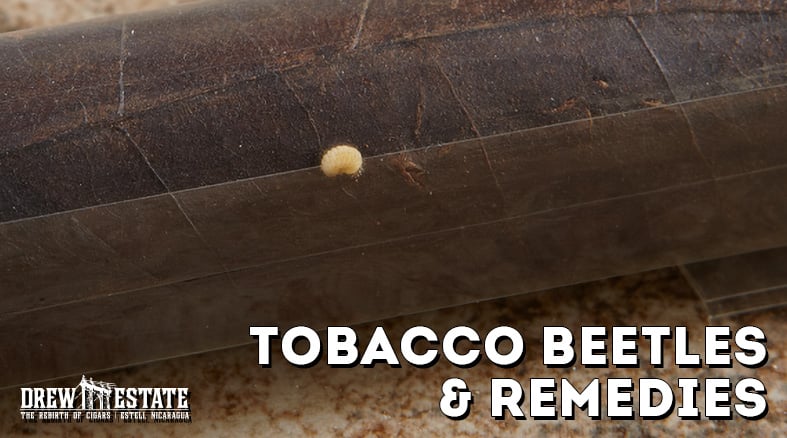
Watch for mold. If you leave your cigars entirely untouched in a box for years and they've grown mold, all that aging will have been for nothing. Nobody wants mold to grow on their cigars. Just like any other cigars in your collection, check the ones you're aging for mold on occasion - catching it early means you lose fewer cigars if it happens. Replacing your humidifiers every year or so, as well as using 2-way humidity packs or gel beads with a PG Solution, can also help maintain proper conditions.

How Long Should Cigars Be Aged?

Knowing how long a cigar should be aged is more an art than a science. We recommend buying a 5-pack or box of the cigars you want to age, and on occasion smoking one to see how the cigar is coming along. At some point in the aging process, all cigars will have passed their peak and will start to head downhill. That downhill slide can happen quickly, so it's something to watch for. If you're loving your cigars at some point in their aging process, there's no shame in smoking through the whole box right then.

  • Short-term aging (1-3 years) is often enough time to notice a smoother experience and some nicely integrated notes. This is the sweet spot for many cigars.
  • Medium-term aging (5-10 years) can produce exceptional results with the right cigars, though many cigars will have passed their peak and started to decline.
  • Long-term aging (10+ years) is not for most cigars, but some cigars will become absolutely incredible at this point in their aging.

Is Aging Worth It?

You've read a lot of caveats to the art of aging in this article. It can be incredibly rewarding when it goes well, and it can be disappointing when a cigar slides downhill. Be prepared for either outcome, choose your cigars well, and properly maintain your humidifier and hygrometer. There's really no way to know for sure if you'll like aged cigars besides trying aged cigars.

Should You Remove the Cellophane?

Long-filler cigars often come wrapped in cellophane, and a common question is whether to leave the cellophane on or remove it when filling a cigar humidor. The cellophane in question is permeable enough to allow air to pass through, so it is fine to leave it on your sticks when placing them in your humidor. Some will assert that cellophane will slow down the aging process, but feel free to remove the cellophane from part of your stash and do a side-by-side comparison to decide for yourself.

Final Thoughts

When done thoughtfully and with care, aging can elevate certain cigars and add depth to your overall experience.

Experiment responsibly, pay attention to results, and remember that aging is a tool - not a requirement. The best cigar is still the one you enjoy most, whether it's aged for years or lit the day you bought it.

Aging Cigars
Back To Cigars 101

The idea sounds fantastic: you store your premium handmades in a cigar humidor for a few years, then when you come back to it you have an even better cigar. But does aging always improve a cigar? How do you know which cigars will improve with age? Can you take a cigar you don't love, store it in a box with a humidifier, and turn it into something you can't get enough of by setting it aside for a length of time?

In this article, we dive into aging cigars in your humidor at home. Understanding how aging works and how to best maintain aging conditions will help you avoid costly and preventable mistakes in your cigar aging journey.

What Does Aging a Cigar Mean?

To age a cigar means to store it under stable, controlled conditions in a humidor for an extended period of time to allow chemical and physical changes in the tobacco to occur naturally. Aging a cigar brings changes to the flavor, aroma, and balance.

People often talk about letting a cigar "rest" when they store it in a humidor for a few weeks or months after they buy it so it recovers from shipping, evens out the humidity, and is completely ready to enjoy. That's not "aging" a cigar, though - aging talks in years rather than weeks or months.

Before cigars leave the factory and arrive at the store, they can be aged for a time as well. You might hear that your cigar has tobaccos that were years old at the time the cigar was rolled. And then all premium cigars are at least rested in the factory for a while before consumers enjoy them. But none of this is what we're talking about here, either. Those are important aspects to making a cigar, but not our focus today. We're talking about consumer aging, where you let a cigar sit in controlled conditions in a humidor after you buy it.

How Aging Affects Cigars

Just to be clear: you don't need to store cigars for many months to enjoy them. When a cigar is available for sale, it should be ready to smoke at any time. You may need to let it rest to acclimate to the right humidity again, but you don't need to age your cigars at all if you don't want to.

If you want to experiment with aging cigars and seeing how they change, these are the changes you're likely to see in your smokes:

  • If it wasn't good before, it probably won't be good now. You can't age quality into your cigars. You'll see these other changes mentioned below, but you won't magically turn low-quality cigars into perfect, high-quality luxury items by giving them time in a humidor.
  • Flavor mellowing and integration. Sharp or aggressive notes often soften. Flavors blend together more smoothly. You get something that tastes more elegant than it did before.
  • Reduction of harshness. Harsh notes will tend to drop off, so you'll have a smooth smoke.

Well-aged cigars often develop richer aromas and more consistent combustion. You may experience flavor notes that weren't present in the cigar when it was rolled. In short, it will taste different. In some cigars, they'll taste better. In some cigars, they'll just have less flavor.

Which Cigars Benefit Most From Aging

Not every cigar improves with time. And it's not an exact science, either - some cigars age quite well, and others might make you wish you had smoked them earlier.

Full-bodied cigars age better than mild cigars. Those stronger, bolder flavors mellow out and combine in interesting ways. If a milder cigar mellows out, it will be even more mild and start to not taste like very much at all.

Dense, oily tobaccos tend to age better. Typically a darker, oilier cigar will gain character as it ages and become even more interesting to smoke.

Long-filler premium cigars are the ones to age. There's nothing wrong with a short-filler cigar or cigarillo, but they don't really benefit from aging the same way long-filler cigars do.

Ideal Conditions for Aging Cigars

While precision is good, proper conditions matter more than perfect precision.

  • Humidity range. Many people who age cigars store cigars at a slightly lower humidity than they would if they were smoking them right away. Avoid major humidity swings and keep your humidifier in an acceptable range for your cigars and you'll be doing fine. For this, having a proper hygrometer is a must.
  • Temperature control. The biggest dangers with temperature are extremes and fluctuation. Avoid very hot, avoid very cold, and avoid letting the temperature swing too much. If you maintain your cigars in a shaded place in your house, you're unlikely to go wrong with temperature.

Watch for mold. If you leave your cigars entirely untouched in a box for years and they've grown mold, all that aging will have been for nothing. Nobody wants mold to grow on their cigars. Just like any other cigars in your collection, check the ones you're aging for mold on occasion - catching it early means you lose fewer cigars if it happens. Replacing your humidifiers every year or so, as well as using 2-way humidity packs or gel beads with a PG Solution, can also help maintain proper conditions.

How Long Should Cigars Be Aged?

Knowing how long a cigar should be aged is more an art than a science. We recommend buying a 5-pack or box of the cigars you want to age, and on occasion smoking one to see how the cigar is coming along. At some point in the aging process, all cigars will have passed their peak and will start to head downhill. That downhill slide can happen quickly, so it's something to watch for. If you're loving your cigars at some point in their aging process, there's no shame in smoking through the whole box right then.

  • Short-term aging (1-3 years) is often enough time to notice a smoother experience and some nicely integrated notes. This is the sweet spot for many cigars.
  • Medium-term aging (5-10 years) can produce exceptional results with the right cigars, though many cigars will have passed their peak and started to decline.
  • Long-term aging (10+ years) is not for most cigars, but some cigars will become absolutely incredible at this point in their aging.

Is Aging Worth It?

You've read a lot of caveats to the art of aging in this article. It can be incredibly rewarding when it goes well, and it can be disappointing when a cigar slides downhill. Be prepared for either outcome, choose your cigars well, and properly maintain your humidifier and hygrometer. There's really no way to know for sure if you'll like aged cigars besides trying aged cigars.

Should You Remove the Cellophane?

Long-filler cigars often come wrapped in cellophane, and a common question is whether to leave the cellophane on or remove it when filling a cigar humidor. The cellophane in question is permeable enough to allow air to pass through, so it is fine to leave it on your sticks when placing them in your humidor. Some will assert that cellophane will slow down the aging process, but feel free to remove the cellophane from part of your stash and do a side-by-side comparison to decide for yourself.

Final Thoughts

When done thoughtfully and with care, aging can elevate certain cigars and add depth to your overall experience.

Experiment responsibly, pay attention to results, and remember that aging is a tool - not a requirement. The best cigar is still the one you enjoy most, whether it's aged for years or lit the day you bought it.