









Sometimes you want to enjoy a premium handmade, but you only have twenty minutes. Maybe the weather is uncooperative. That's where small cigars fit into your rotation.
Compact formats can deliver the same character of a premium cigar in a fraction of time. They're easy to carry, often less expensive per cigar, and available in all strengths and flavor profiles.
They also come with a bit of terminology to sort out. "Small cigar","cigarillo", "mini", "pequeño", and "little cigar" can sound interchangeable. Sometimes they are, and sometimes they describe very different products.
What Is a Small Cigar?
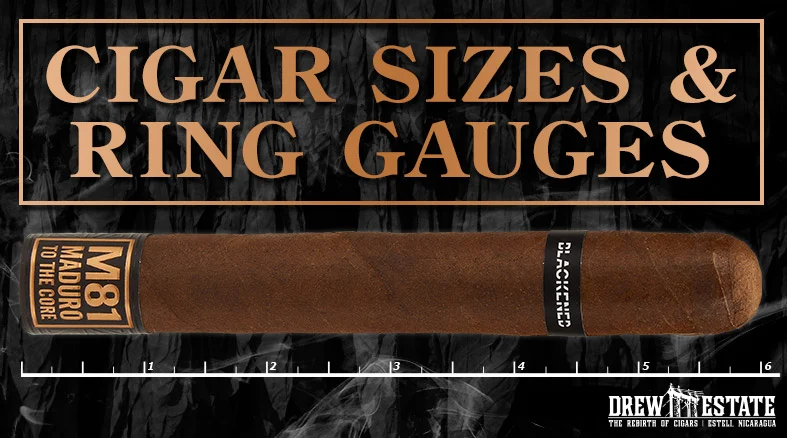
"Small cigar" is a useful umbrella term for cigars that are shorter, thinner, or both compared with familiar formats such as Robustos and Toros. There isn't a universal definition or size that a cigar can't exceed to call it "small". A 4 x 40 Petite Corona certainly qualifies compared with a 6 x 54 Toro. So does a 4 x 30 cigarillo. A 4.2 x 36 Pequeño is in the same general size neighborhood.
What Is a Cigarillo
A cigarillo is a short, slender cigar. You'll commonly see them around 3 to 4 inches long with ring gauges ranging from the low 20s into the 30s, although manufacturers use the name somewhat loosely.
Their narrow diameter creates a very different experience from a larger cigar. There's less filler tobacco inside, so the wrapper represents a larger share of the handmade cigar. The cigar also burns more quickly, so slow down a little and a cigarillo can pack surprising characters into ten or fifteen minutes.
Macanudo Inspirado Minis a good example. These cigarillos are suitable to enjoy in a shorter time frame of roughly ten-to-fifteen minutes. That's enough time for a cup of coffee and a bit of relaxation.
Small Cigars vs. Full-Sized Cigars
The obvious difference is the time it takes to savor the cigar, but size affects more than that. A full-sized Toro or Churchill contains considerably more filler tobacco. That gives a blender room to combine several leaves and allows the cigar to develop over a longer smoke.
A small cigar gets to the point faster. You might not experience three different thirds in a fifteen-minute cigarillo. Instead, the blend tends to present its core personality fairly quickly and often remains consistent with its flavors throughout.
The narrower ring gauge also changes the ratio between wrapper and filler. Since wrapper leaf can contribute to a meaningful amount of flavor, a slim cigar can sometimes taste surprisingly concentrated.
That doesn't automatically make small cigars stronger - strength depends on the tobacco being used. A mellow Macanudo cigarillo is still likely to feel considerably gentler than a small cigar made with heavier tobaccos. Size changes some of the blend, but not its entire identity.
Why Smoke Small Cigars?
The biggest reason is time. A full-sized premium cigar can easily take an hour or more. A cigarillo may fit into fifteen minutes. Small Coronas and Pequeños land somewhere in between. That makes them useful for mornings, lunch breaks, walks, cold-weather smoking, or any occasion when lighting a Churchill would be hopelessly optimistic. We all have those moments.
- There's also less commitment involved. If you want a cigar after dinner but are not sure how much time you'll actually have, a small cigar solves the problem. If you end up with more time than you thought, you can always light another one.
- Cost can be appealing too. Small cigars generally use less tobacco and are often sold in tins or larger-count packages, making them practical for everyday use.
- They can also be a relatively inexpensive way to explore a blend. If a cigar comes in both miniature and full-sized sizes, the smaller version can give you an introduction before you commit to a box of larger cigars. Just remember that there can be differences between the size formats - don't expect them to be exactly the same thing in different sizes.
Macanudo: An Easy Place to Start
Macanudo is particularly well suited to small formats because many of its blends favor smoothness and balance.
Macanudo Cafe is a mild Dominican-made cigar using a Connecticut Shade wrapper over Dominican and Mexican filler tobaccos. The line is available in everything from cigarillos to full-sized Churchills and Presidentes. That range makes it useful for understanding size differences. You can try a variety of sizes and see how small varieties compare to larger ones.
Macanudo also offers Inspirado Minis, which are specifically designed for shorter durations. Different versions use different wrappers and blends, so you can try different flavor profiles. For someone who wants an enjoyable short cigar without drifting into flavored tobacco, these are a great choice.
CAO: Small Cigars With More Variety
CAO has both traditional and flavored small cigars, which gives smokers quite a bit to explore.
CAO Gold Mini Cigarillos offer a traditional tobacco profile in a very small format.
CAO Flavours Cigarillos includes 4 x 30 cigarillos in varieties such as Moontrance, Bella Vanilla, Cherrybomb, Honey, and Eileen's Dream.
These are each aimed at different kinds of experiences. If you like aromatics, flavored cigars, or just want something sweeter and more casual, grab Flavours. If you want to have a handmade like you would with larger-format CAO products, pick up Gold Mini Cigarillos for a short smoke.
Punch and Partagas for a Bolder Short Smoke
For someone who wants more traditional tobacco character and greater intensity, Punch and Partagas offer some compelling compact options.
Punch Original Cigarillos measure just 3 x 22, while its Cigarillos are 4 x 24. The blend is built around fuller-flavored tobaccos, so it packs something of a punch (pun intended).
Partagas Original Cigarillos offers several small formats as well, including 3.7 x 24 Miniaturas and 4.3 x 32 Puritos. The Dominican-made blend uses a Cameroon wrapper with Dominican and Mexican tobaccos underneath. The Purito is especially interesting if a mini feels a little too brief. At 4.3 x 32, it still qualifies as a compact cigar, but there is enough tobacco there to settle in and enjoy rather than feeling like the cigar disappeared just after it got started.
How to Smoke a Small Cigar
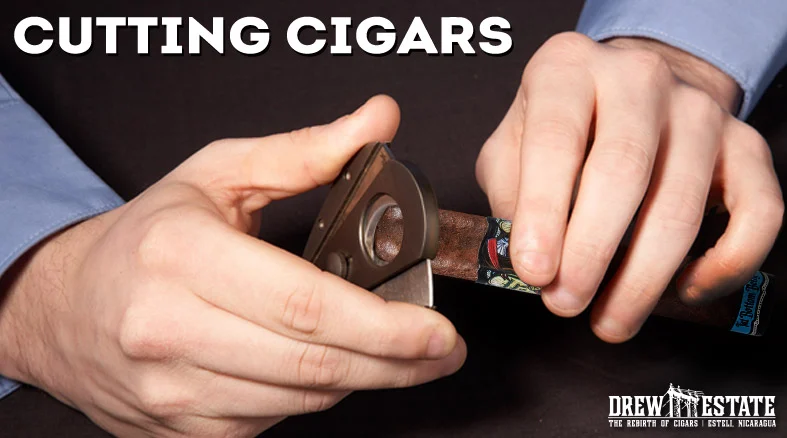
You may or may not need to cut your small cigar. Some cigarillos arrive ready to smoke without cutting, while others have capped heads and should be clipped like a larger handmade. Check the cigar before lighting to make sure it's ready to smoke.
Small cigars reward a gentle pace. Because they're narrow, they can heat up faster than larger-ring cigars. Draw too frequently and you'll end up with a hot and bitter smoke.
Small cigars and cigarillos still benefit from proper humidified storage unless the packaging is specifically designed to maintain freshness on its own. Some come with packaging that handles the humidity, and others don't. You'll want to make sure your small cigars are properly humidified when they're being stored.
Final Thoughts
Sometimes the best break is a short one. Small cigars fit the bill for these moments in a way larger premiums can't. They can fill the in-between moments like nothing else can. They can provide a relaxing break. They typically won't break the bank.
No matter what kind of premium handmades you enjoy, we recommend picking up some smaller cigars to have on hand. Sometimes you know in advance that you'll want to enjoy a cigar, but not sure about how much time you will have, and sometimes the moment just appears - don't be caught without the right cigar for the right time.